INTRODUCTION
In the dynamic landscape of technological advancements, Artificial Intelligence (AI) stands out as a beacon of hope in the quest to minimize human errors. From healthcare to finance, and manufacturing to daily tasks, AI has emerged as a powerful tool to enhance precision and accuracy in various fields. This blog explores the transformative role of AI in lowering human errors and its impact on different sectors.
I. Understanding Human Errors:
To appreciate the significance of AI in reducing human errors, it's crucial to delve into the nature of these errors. Whether due to fatigue, distraction, or simple oversight, humans are prone to mistakes. In critical industries such as healthcare, the consequences of errors can be life-threatening. Recognizing the limitations of human capabilities has paved the way for integrating AI as a complementary force to mitigate these risks.
II. AI in Healthcare:
In the realm of healthcare, where precision is paramount, AI has proven to be a game-changer. Diagnostic errors, medication mistakes, and surgical inaccuracies are among the challenges faced by healthcare professionals. AI algorithms, equipped with vast datasets and pattern recognition capabilities, aid in accurate disease diagnosis, recommend personalized treatment plans, and even assist during surgeries, minimizing the margin for human error.

III. Enhancing Safety in Manufacturing:
The manufacturing sector, with its intricate processes and heavy machinery, has long grappled with the potential for human errors leading to accidents. AI-driven predictive maintenance systems monitor equipment health, detecting anomalies and signaling the need for maintenance before a breakdown occurs. Robotics, guided by AI algorithms, has further improved precision in assembly lines, reducing defects and enhancing overall product quality.
IV. AI in Finance:
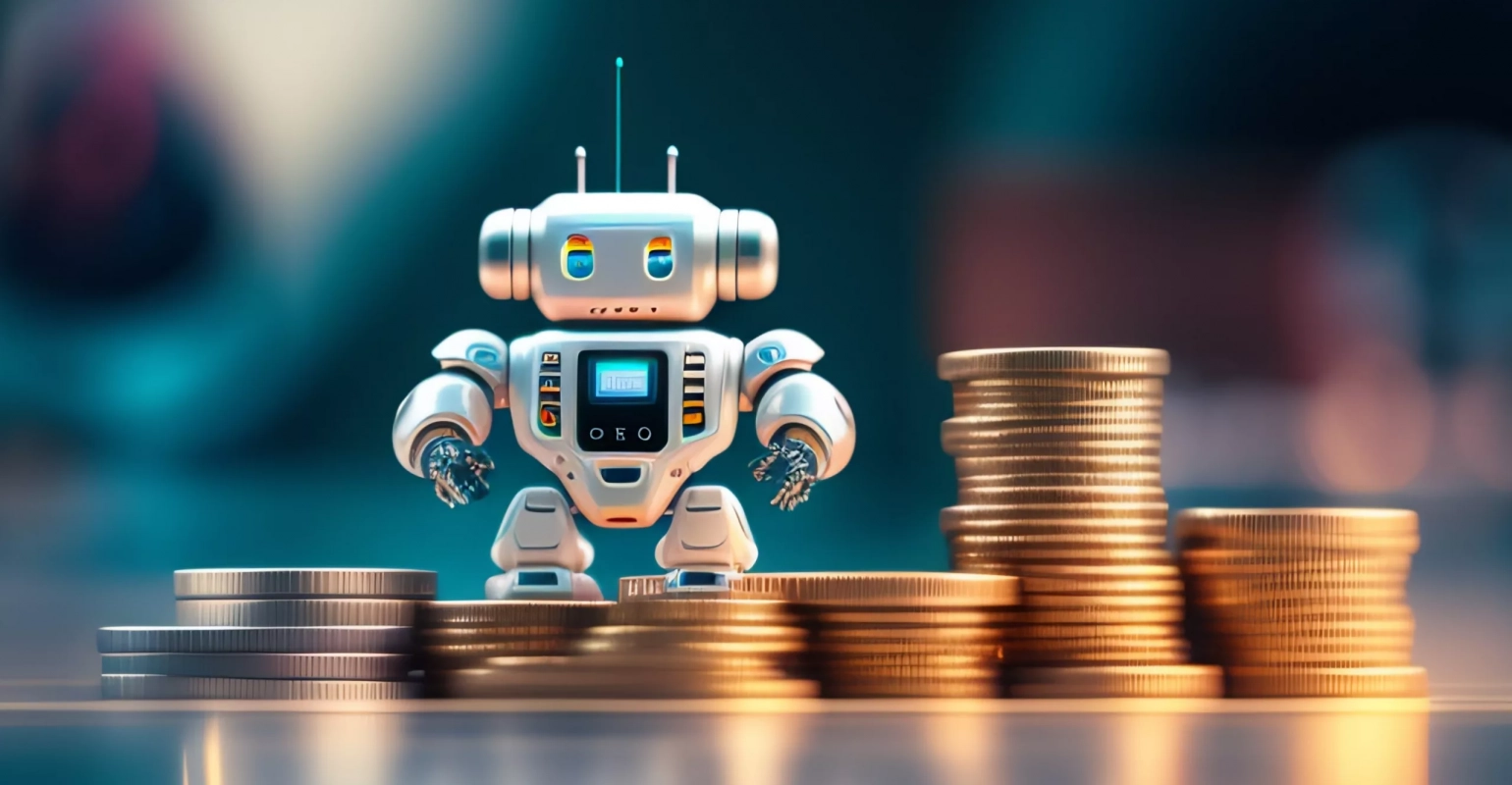
In the fast-paced world of finance, where split-second decisions can have far-reaching consequences, the margin for error is razor-thin. AI-powered algorithms analyze market trends, assess risks, and execute trades with speed and accuracy beyond human capabilities. This not only minimizes financial errors but also contributes to the overall stability of the financial system.
V. Autonomous Vehicles and Transportation:
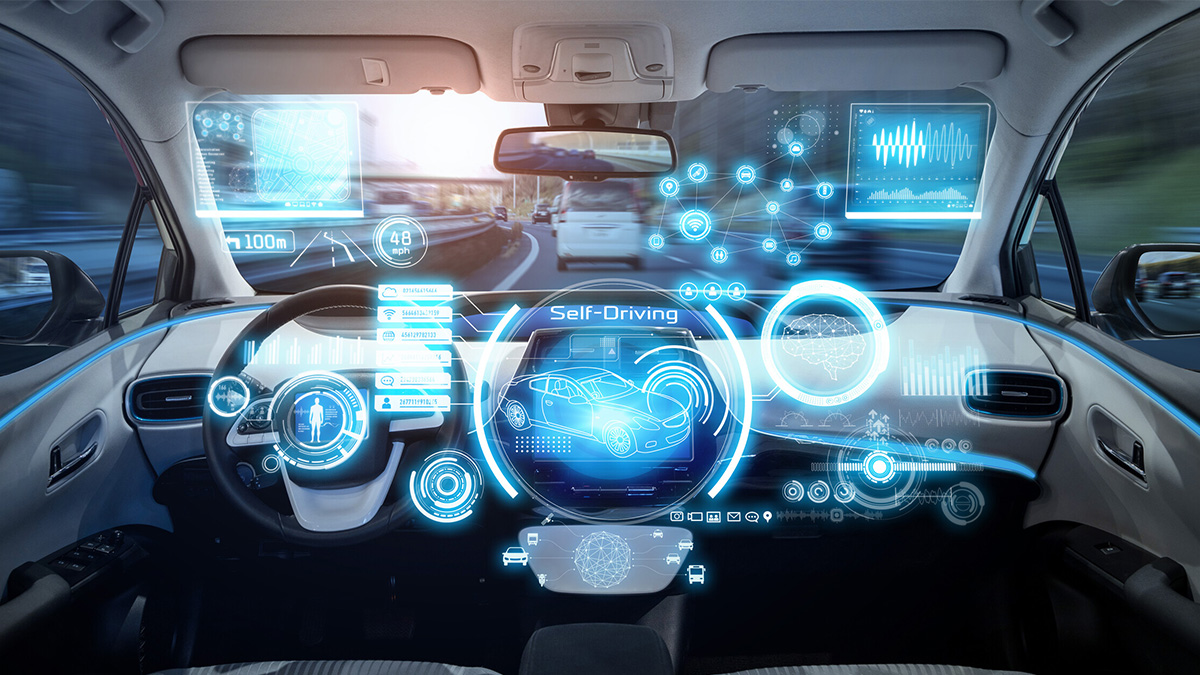
The integration of AI in transportation, particularly in the development of autonomous vehicles, holds the promise of significantly reducing human errors on the roads. AI algorithms process vast amounts of data from sensors and cameras, making split-second decisions to navigate through traffic, avoid obstacles, and prevent collisions. This technology has the potential to revolutionize road safety and transform the way we commute.
As we navigate the complex terrain of the 21st century, the synergy between AI and human capabilities emerges as a powerful force against the tide of errors. From the operating room to the stock exchange, AI serves as a guardian angel, enhancing precision and minimizing the impact of human fallibility. Embracing this partnership offers a glimpse into a future where errors are not eradicated but significantly reduced, paving the way for a safer, more efficient, and error-resistant world.
Comments
Post a Comment